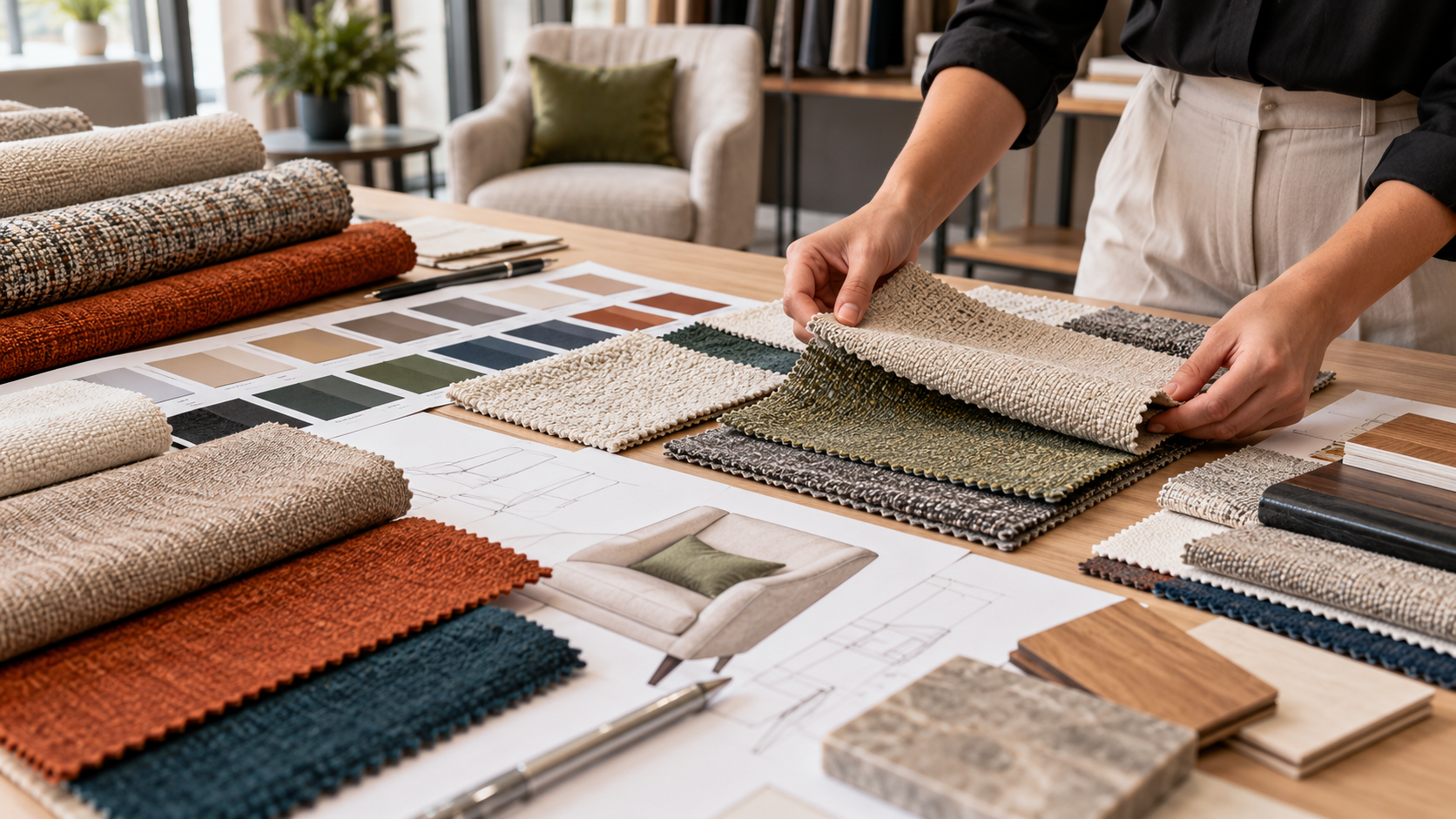
There are instances when there is already an existing upholstery fabric that is somewhat near the requirements for a particular furniture project, although one detail about the fabric, such as its color, texture, finish, etc., may still need to be altered. EnjoyTex assists in the design and development of custom upholstery fabric for furniture manufacturers, importers, commercial customers, and other businesses looking for custom fabric services for their projects.
One may start out with an existing fabric sample, color sample, texture requirement, or project specification. The development process may involve fabric color matching, texture or finish alteration, a lab dip, or a strike off, depending on the fabric and project requirements.
Custom Fabric Development for B2B Projects
However, not every furniture project is suitable for using standard fabric that comes directly out of the catalog. A furniture manufacturer may have a reference fabric that requires a color modification, whereas a commercial buyer may request certain changes in the texture, finish, backing, or another specification before starting the production process.
In the case of custom fabric development, the existing sample, design reference, or project requirement becomes the basis for further development. The necessary modifications depend on what needs to be changed and how the final fabric will be used.
For instance, a customer may appreciate the construction and visual characteristics of a certain fabric but need to develop it in another color for a new sofa collection. In another case, there may be a need to change the texture or finish of the fabric according to a particular furniture project.
Color Matching and Lab Dip Support
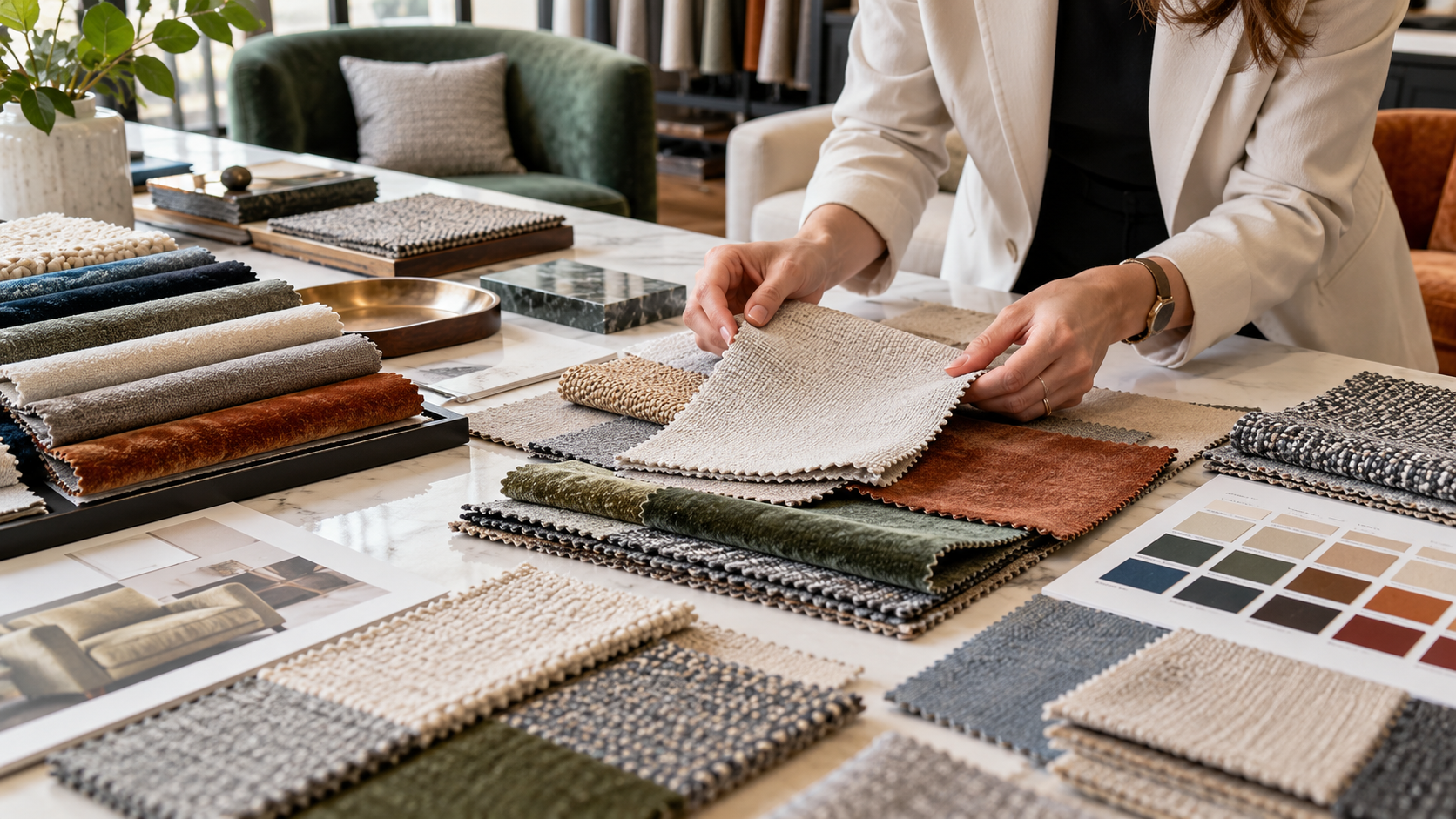
One of the key factors in fabric development is sometimes the color itself. The standard fabric shade may be acceptable, but in some cases, like the creation of a new furniture collection or hotel project, a more exact shade may be required.
In the case of fabric color matching, the client can submit a fabric sample, color reference, or any other acceptable standard. Then a lab dip can be created so that the buyer can review the fabric shade before the start of large-scale production.
Sometimes, the first lab dip is not enough, so if there is a need to change the shade, comments can be submitted and another version can be created until the buyer is satisfied with the outcome. Once the color has been approved, it can be used as a color reference for further development stages.
Texture, Pattern, and Finish Development
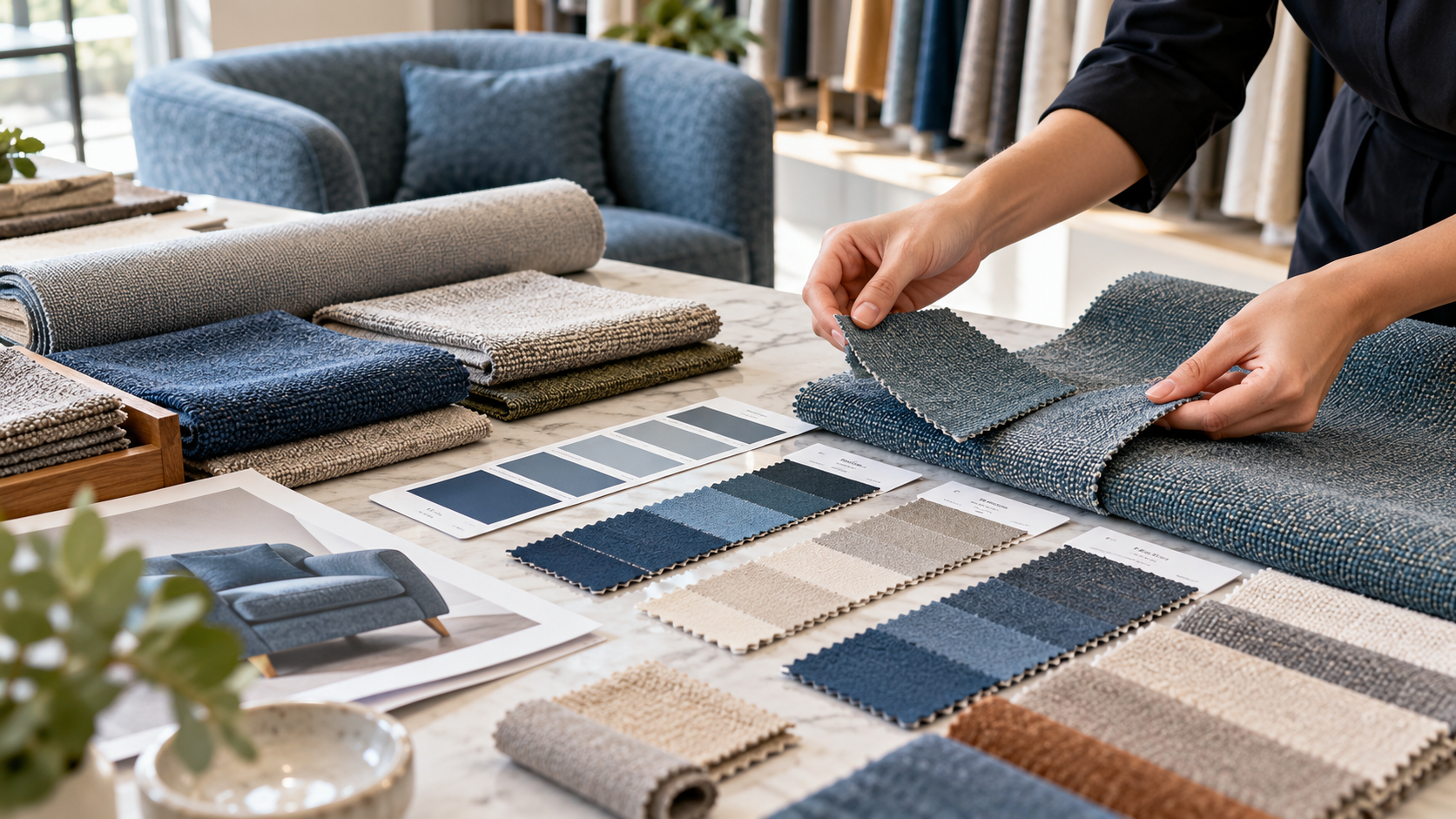
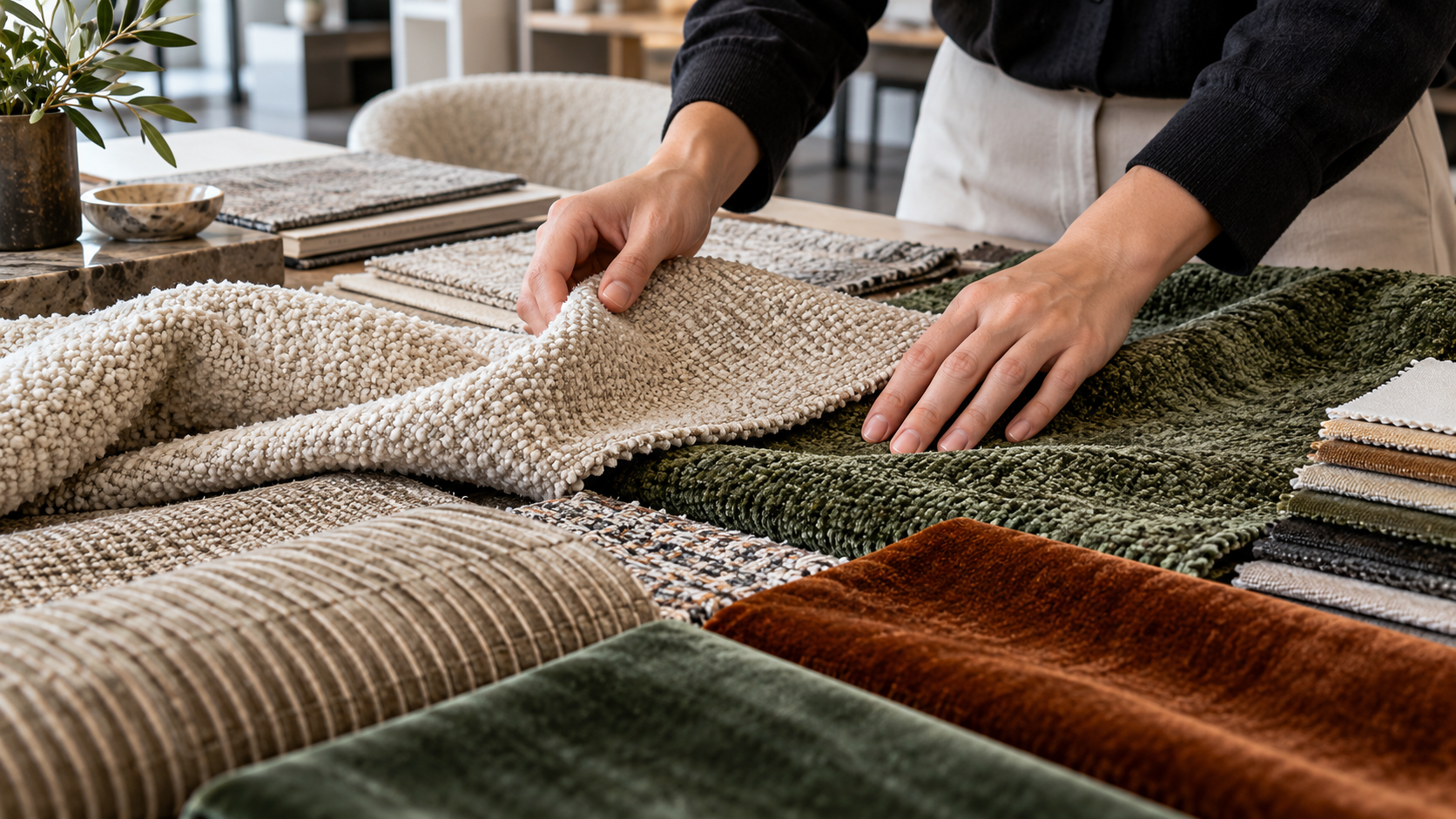
While custom development is normally about colors, this may not always be the case. There may be projects where the buyer likes the fabric being used but would prefer a different texture, pattern, finish, or backing to match the intended use.
Depending on how the fabric is made, this can be addressed during development. For instance, a customer might require a more comfortable surface for a sofa range, a specific backing for a certain furniture application, or a custom texture fabric based on a given sample.
The idea behind this is to adjust the fabric to suit the intended application instead of having to start with a totally new fabric. Any changes in texture, pattern, or finish must also be looked at against the intended use of the finished furniture.
Strike-Off Review Before Bulk Production
In the case of printed or patterned upholstery fabric, a strike off can be done prior to bulk production. This allows the buyer to review the chosen colors, pattern, scale, and overall design of the fabric.
When something does not seem right with regard to the project requirements, such as the color balance or pattern appearance, comments can be provided and changes can be made before approving the final design.
After the strike off is reviewed and verified, it can become the basis for the next stage of production.
From Concept to Production-Ready Fabric
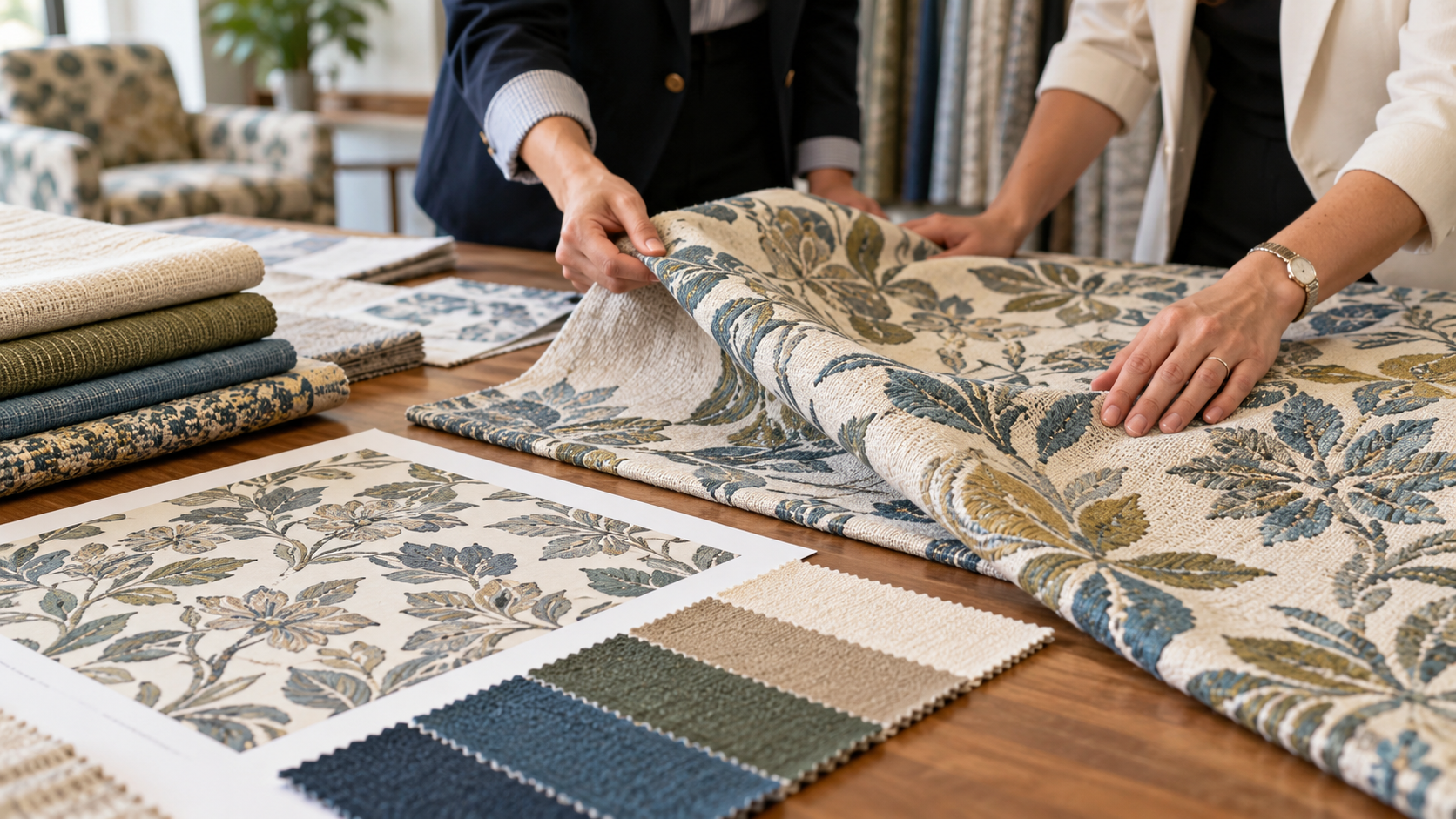
Custom fabric development generally begins with a reference, a sample, or an understanding of what changes are needed. The buyer can provide information about the target application and requirements such as color, texture, pattern, finish, and other specifications.
After that, the custom fabric development process can proceed. For different projects, this might include fabric color matching, a lab dip, texture or finish changes, and a strike off if there is a need to print a design.
The fabric development process may go as follows:
Project requirement → Reference/sample evaluation → Fabric development → Lab dip/strike off if required → Buyer approval/revisions → Confirmation → Production-ready fabric
Each project can have a somewhat unique process, but the idea is the same – to ensure all the key design and specification requirements are confirmed before the production stage.
Develop Custom Fabric With Our Team
If you have a fabric sample, color reference, design idea, or specifications for a furniture project, share the details with EnjoyTex. Information about the intended application, required color, texture, finish, quantity, and any other specifications can help us understand what needs to be developed.
Depending on the project, we can discuss the required custom upholstery fabric development, prepare a lab dip or strike off where needed, and review the developed fabric with you before it moves to production.
Frequently Asked Questions
1. Can you develop custom upholstery fabric from an existing sample?
An existing fabric sample can work as a reference when developing custom upholstery fabric, depending on its intended use. The color, texture, finish, backing, etc., of the fabric may differ.
2. How does fabric color matching work?
In order to match the fabric color, you can send a fabric sample or other references that will help us understand what kind of shade you require. We will prepare a lab dip to check that the shade of the fabric meets your requirements.
3. What is a lab dip used for in custom fabric development?
A lab dip is necessary to evaluate the developed fabric color prior to bulk production. In case some changes are required, you can leave your comments, and we will prepare another one for your approval.
4. What is the difference between a lab dip and a strike off?
A lab dip is applied when it is necessary to match the fabric shade, while the main purpose of the strike off is usually to check the color, pattern, scale, and appearance of printed or patterned fabric.
5. What information should I provide for custom fabric development?
You can provide the furniture application, existing fabric sample or design reference, required color, texture, pattern, finish, quantity, and other specifications for custom fabric development.